The Real Beijing: 4 Local CityWalk Routes Beyond the Tourist Trail
Skip the crowded attractions. These 4 walking routes through Beijing's hutong neighborhoods reveal the city's real soul — local food spots, hidden temples, vintage shops, and genuine street life.
Beijing CityWalk Highlights
East Route: The Foodie Trail 🍽️
This route runs along Dongsi North and South Streets — a food lover's paradise packed with old-school Beijing eats.
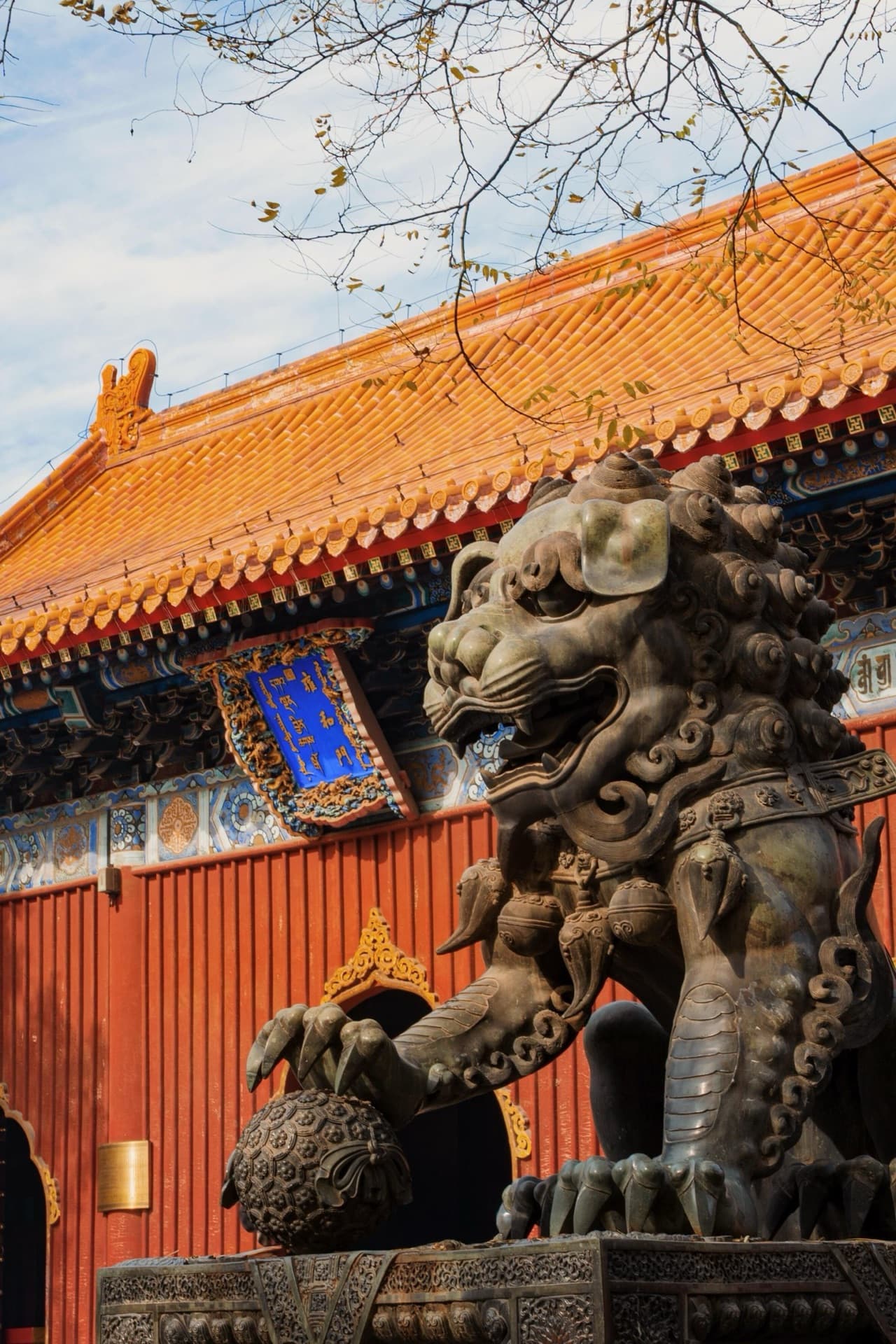
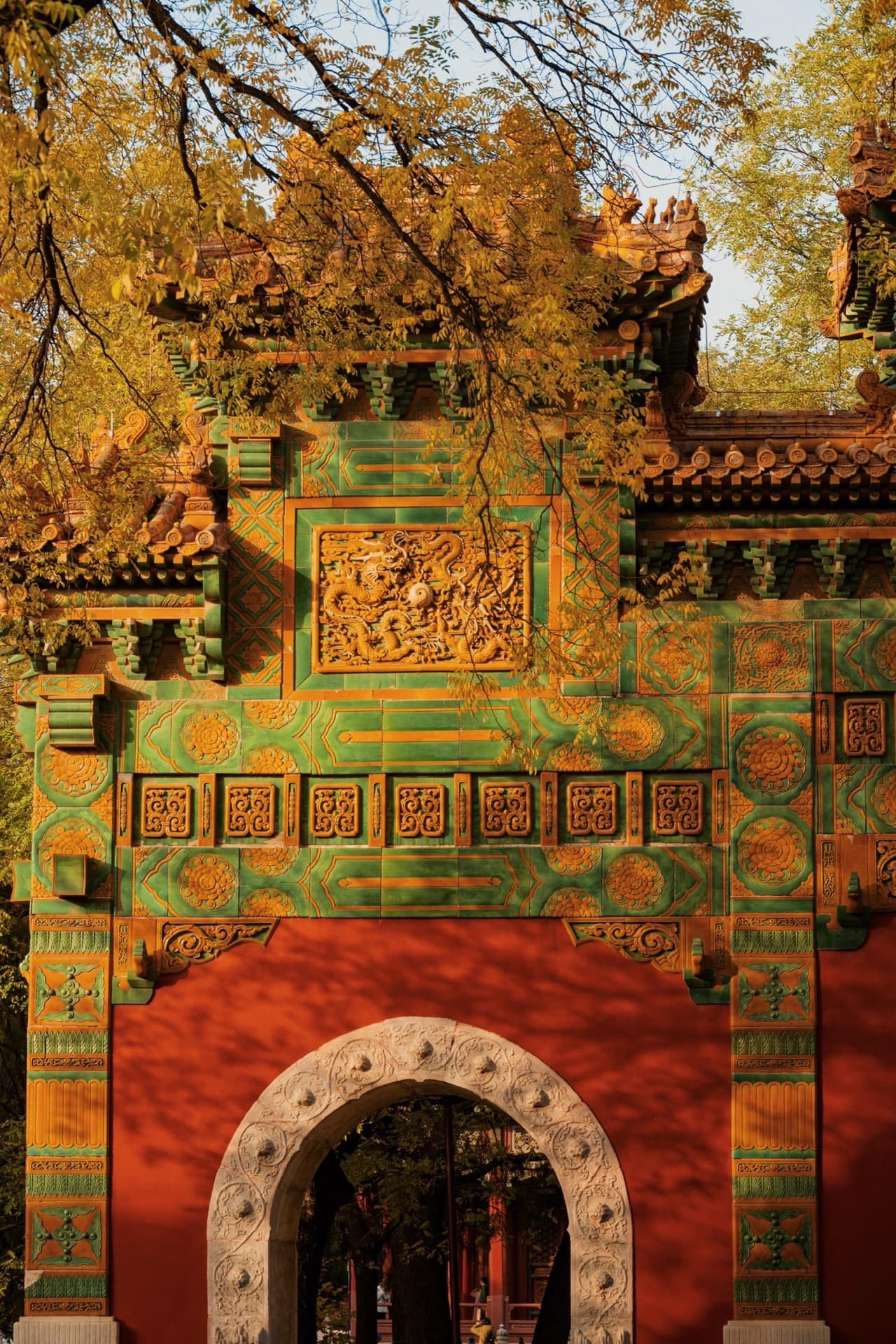
Ditan Park → Andingmen → Wudaoying Hutong (one of Beijing's earliest commercialized hutongs, still charming) → Yonghe Lama Temple (Tibetan Buddhist temple, famously effective for career prayers — buy your prayer beads from the roadside stalls and get them blessed inside) → Guozijian (Imperial Academy, see where ancient scholars took their civil exams)
Then loop back south for a food crawl: zhajiangmian, Yonghe fried chicken, jianbing with pork loin, Ma San potatoes — old and new classics all within walking distance. Ma San Yang Yu 🥔 is a local favorite. Don't miss Tongrisheng's sesame paste — absolute game-changer.
Keep going past Beixinqiao and you'll spot Guijie (Ghost Street) — Beijing's legendary late-night food strip. Further south: Pangmei Noodles (insanely popular), a vintage clothing store for bargain hunting, and Daoxiangcun 24 Seasons Shop for souvenir pastries.
Detour west to China Art Museum 🎨 and the Guardian Art Center for exhibitions, then east to Longfu Temple (a hip new cultural complex). End at Wangfujing with its lineup of trendy cafés ☕.
South Route: The Most Down-to-Earth Walk
This route feels the most authentic — less polished, more lived-in. Start in the morning with Temple of Heaven, the Ancient Architecture Museum, and Taoranting Park.
After fueling up on Niujie halal food (Beijing's Muslim quarter — the beef and lamb here are incredible), you'll enter the old hutong neighborhoods. The vibe shifts completely from the tourist areas: this is where regular Beijingers actually live.
You'll walk from the historic Eight Great Hutongs (八大胡同, once Beijing's old entertainment district) through to Xixinglong Street (historically a wealthy neighborhood). Notice how the hutong character changes block by block — the architecture tells the story of each area's past.
West Route: The Culture & Commerce Mix 🚶
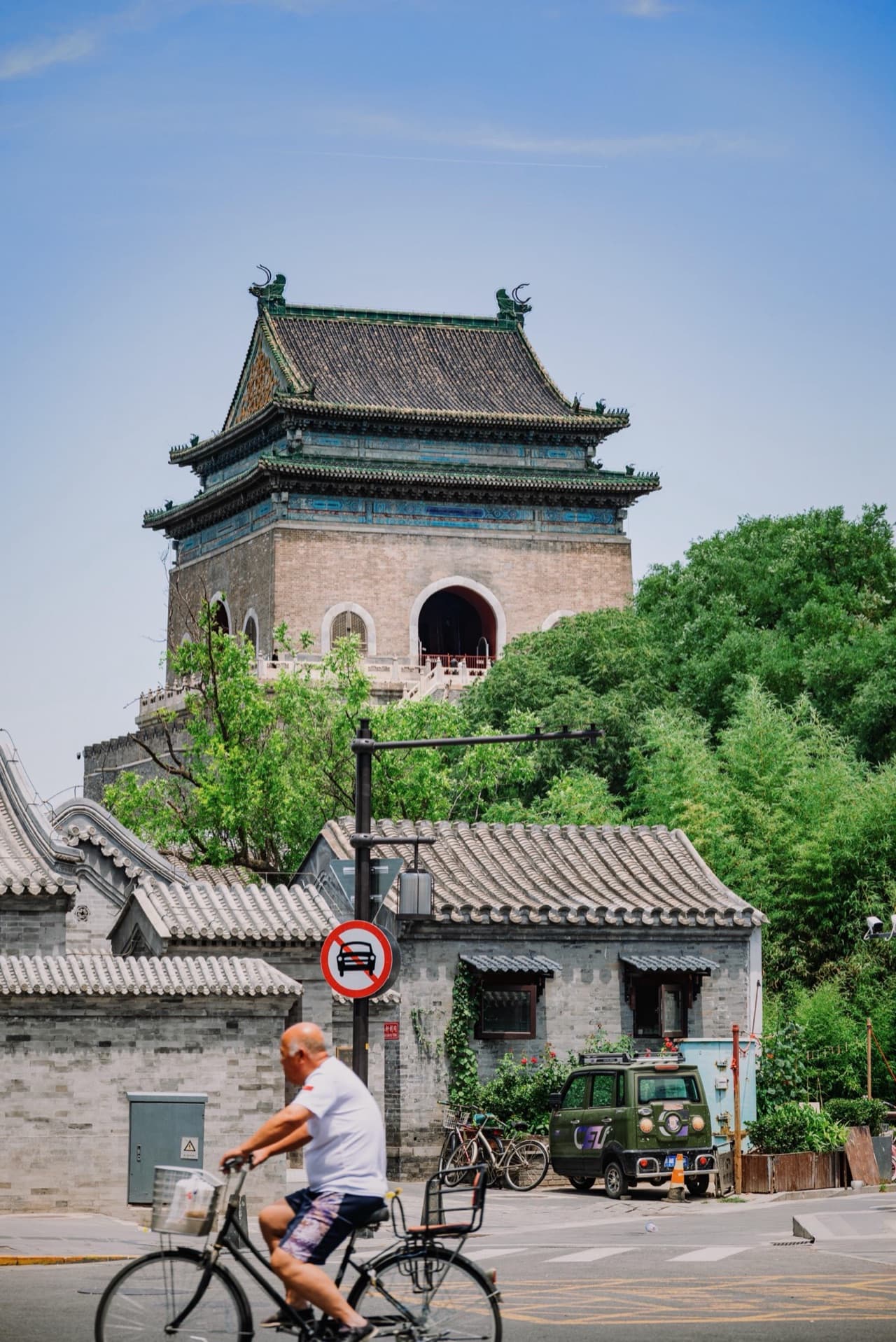
Start at Deshengmen (a major transit hub, or just begin from Shichahai). This route is the most bustling — Shichahai, the Drum Tower (grab the steamed buns at Yao Ji Chao Gan, they're a must!), and Nanluoguxiang are all here.
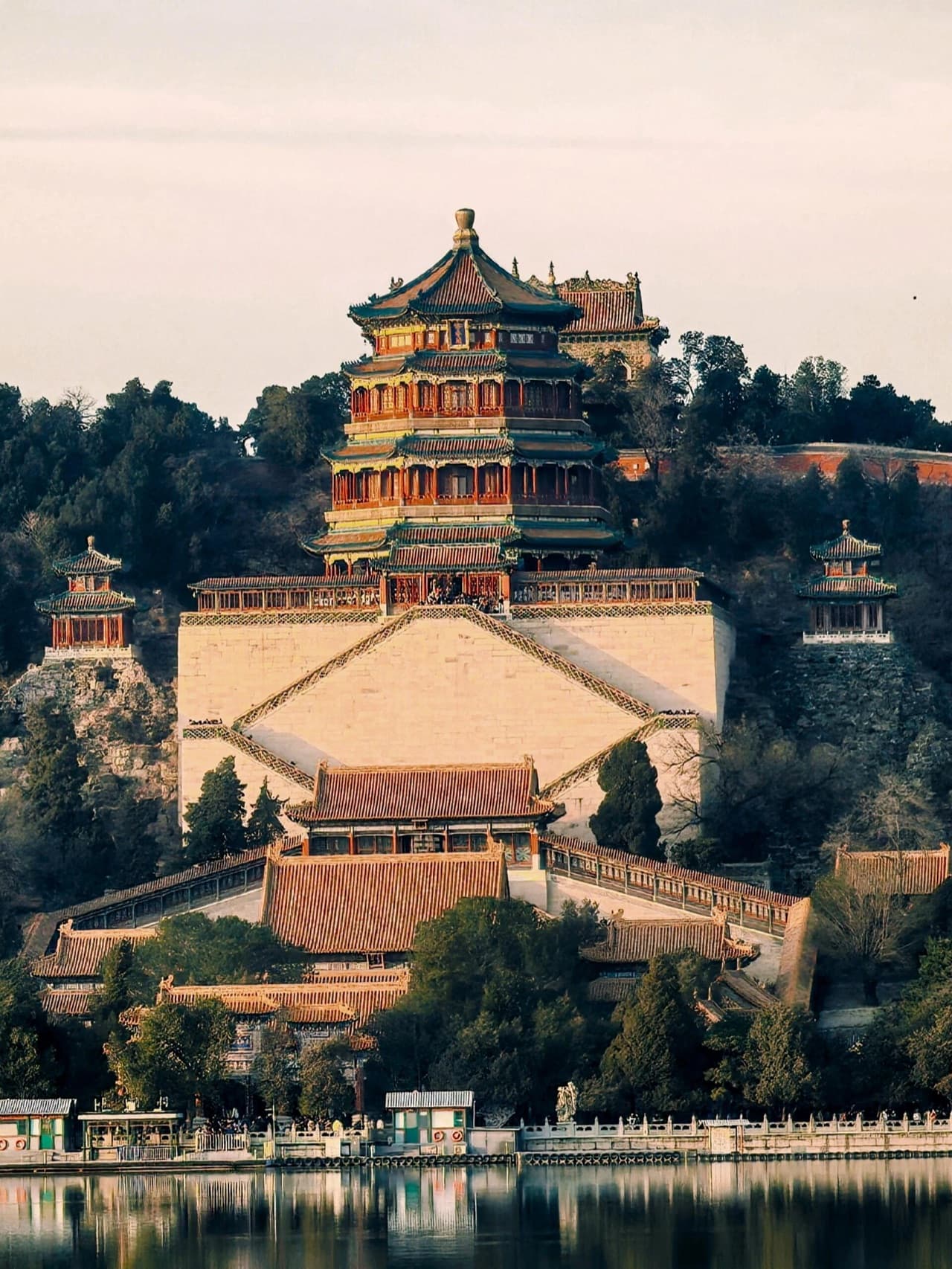
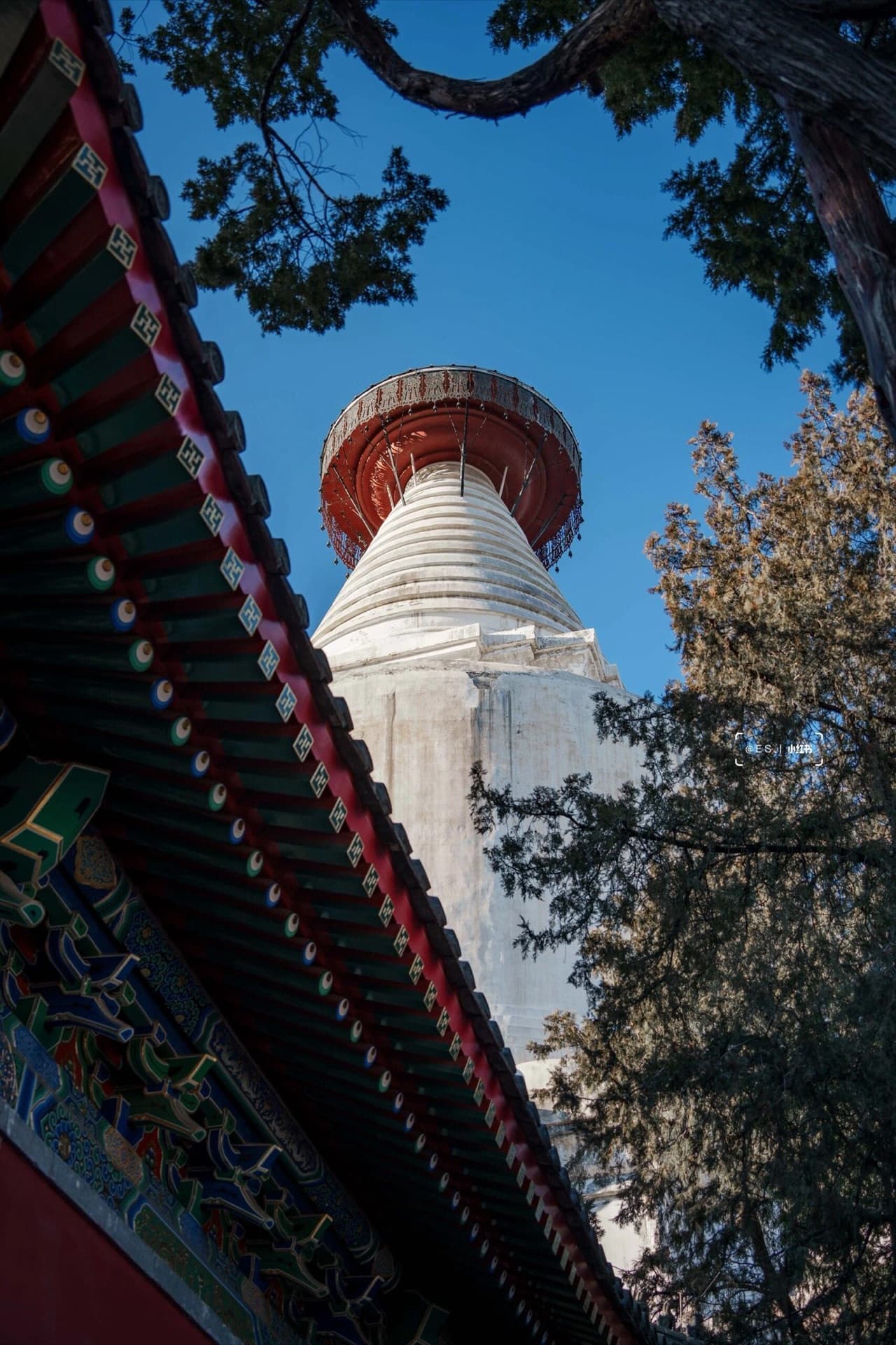
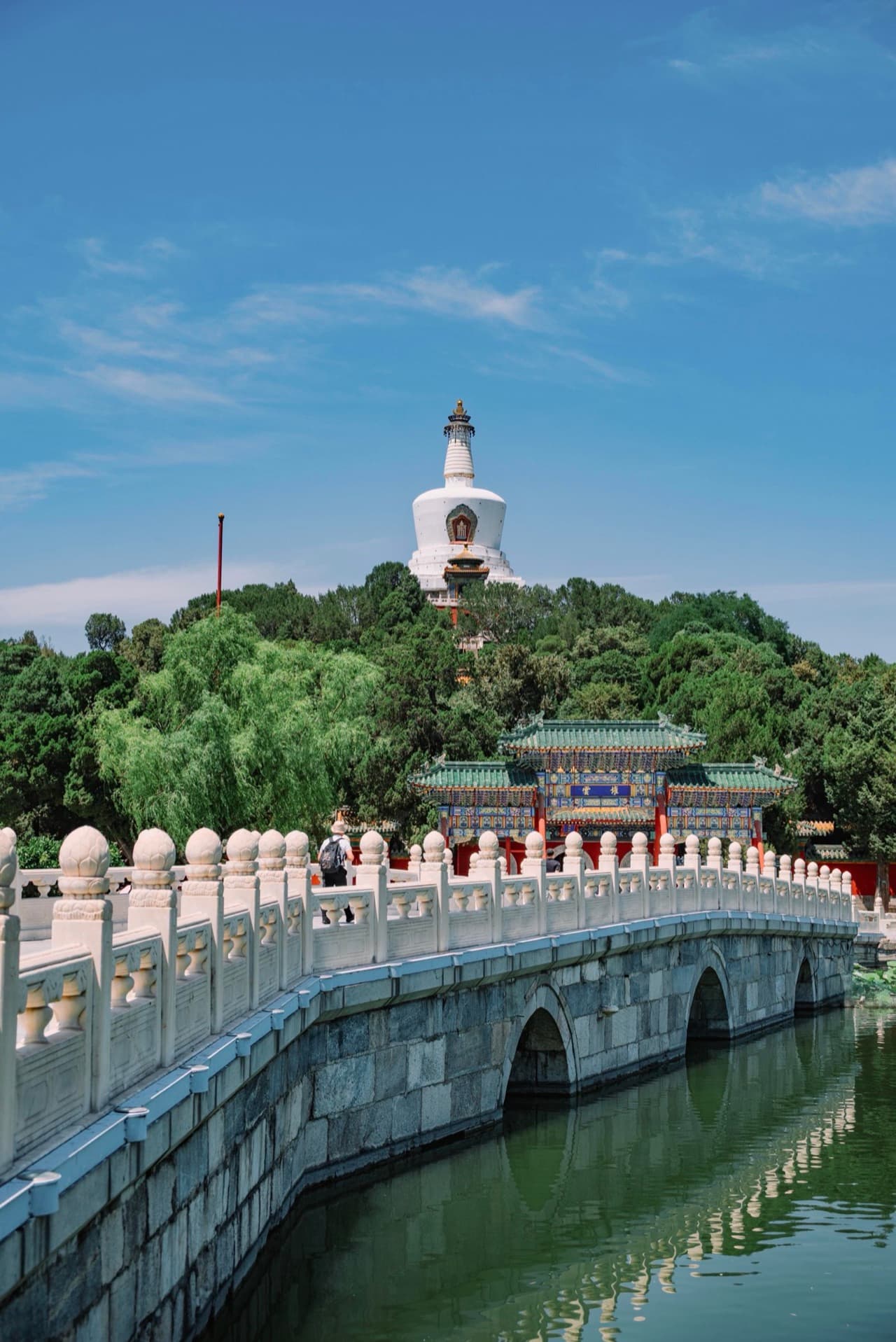
Personally, I love the vintage shops along this stretch (fair warning: they're pricey 😭). Break up the commercial vibe with detours into Jingshan Park and Beihai Park for some breathing room.
Then head west: check if Xishiku Cathedral is open (stunning Gothic-meets-Chinese architecture), visit the thousand-year-old temple, the Lu Xun Museum (more moving than you'd expect), and Zhengyang Bookstore (Beijing's oldest, only sells books about old Beijing).
Don't skip Gongting Niurou Bing (palace-style beef pie) — ¥6 each, stuffed with generous meat, absolute steal. End at Xidan for a proper meal.
Central Route: The Landmark Axis
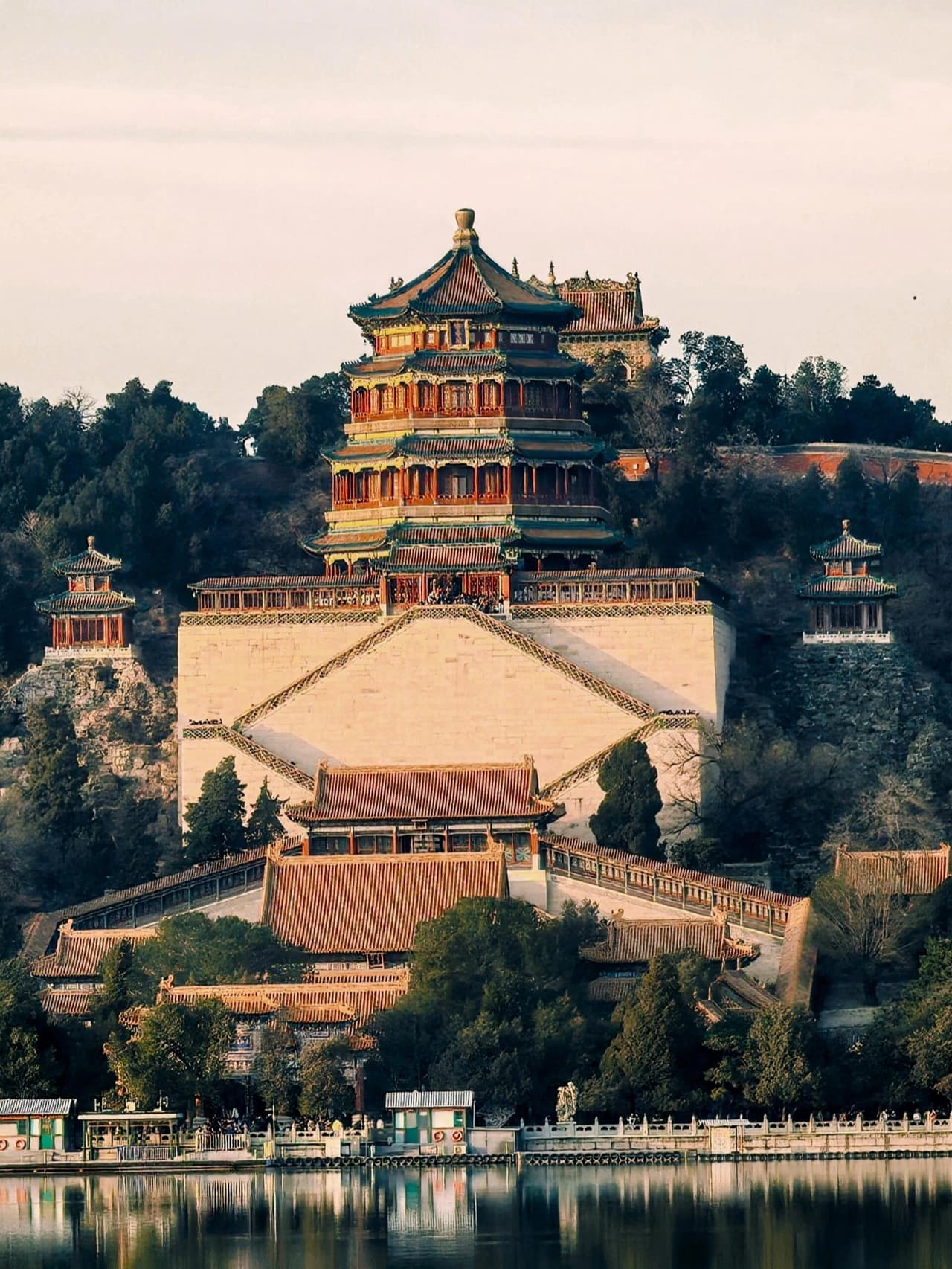
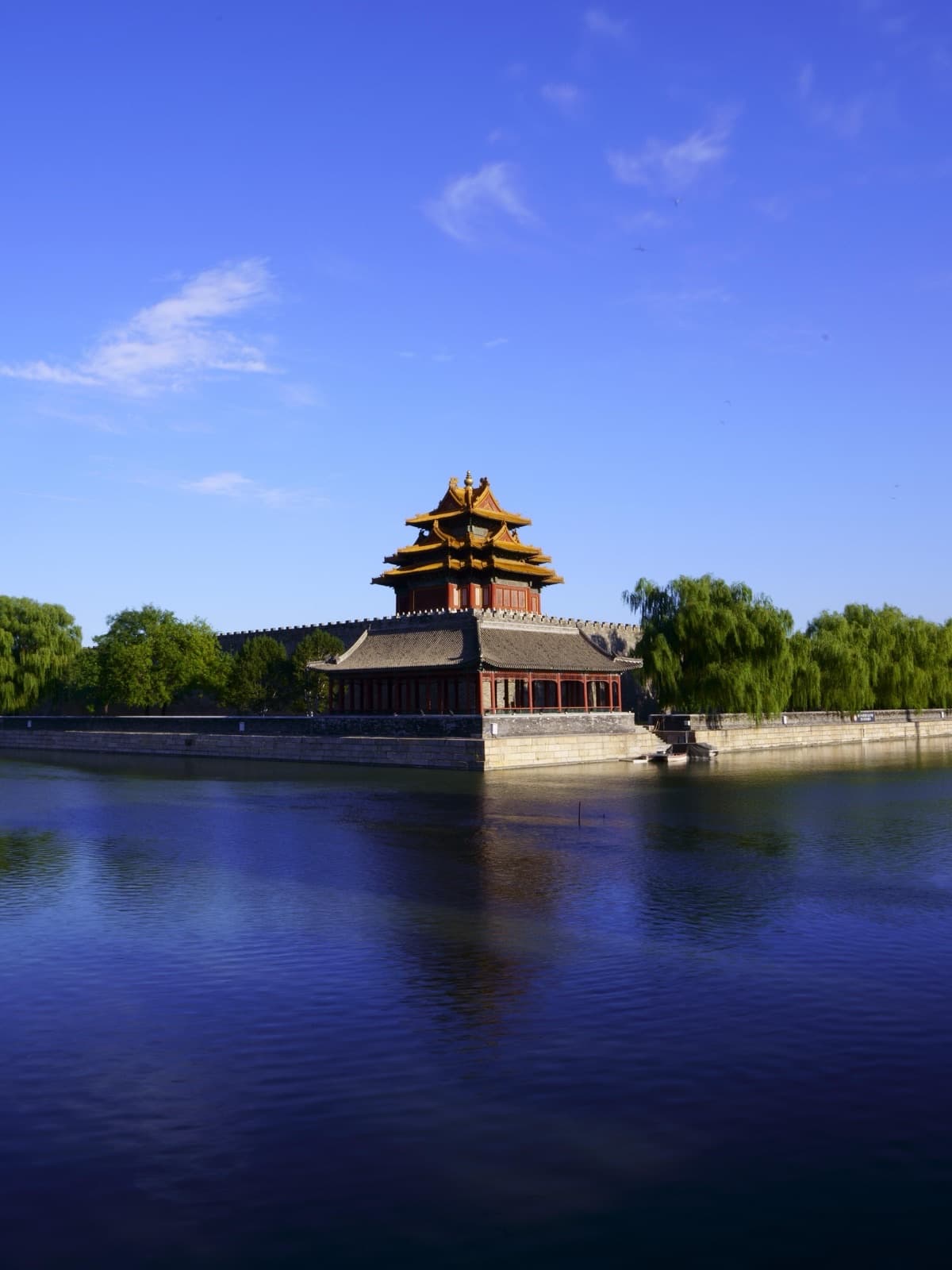
This route follows a section of Beijing's famous Central Axis — the ancient north-south line that runs through the city's most iconic landmarks. It's the most tourist-friendly of the four routes, with major historical sites along the way.
Most spots here require advance reservations, and expect more security checkpoints than the other routes. But if it's your first time in Beijing and you want to see the big-name sites in a logical walking order, this is it.
🗺️ This guide is part of the Beijing Map Pack
Get the offline map with GPS-calibrated pins for all locations in this guide — plus 6 more map layers including food, CityWalk routes, and survival essentials.